Expedition Overview
Duration
7 days / 6 nights
Start/End Point
Addis Ababa, Ethiopia
Group Size
6-12 people (private options available)
Best Season
Year-round (best June-February)
Climate
Hot and dry (25-35°C / 77-95°F)
Transport
4x4 vehicles with AC
Cultural sensitivity training included. Photography guidelines provided.
The Omo Valley is home to some of Africa's most fascinating indigenous tribes, each with unique customs, traditions, and ways of life that have remained largely unchanged for centuries. This 7-day cultural expedition takes you deep into the heart of this remarkable region to meet the Hamar, Mursi, Karo, and other tribes who call the Omo Valley home.
Our carefully designed itinerary ensures meaningful cultural exchanges while respecting local traditions. With expert guides who have built long-term relationships with these communities, you'll gain rare insights into tribal life through ceremonies, village visits, and personal interactions - a profound human experience that will stay with you forever.
Meet the Tribes
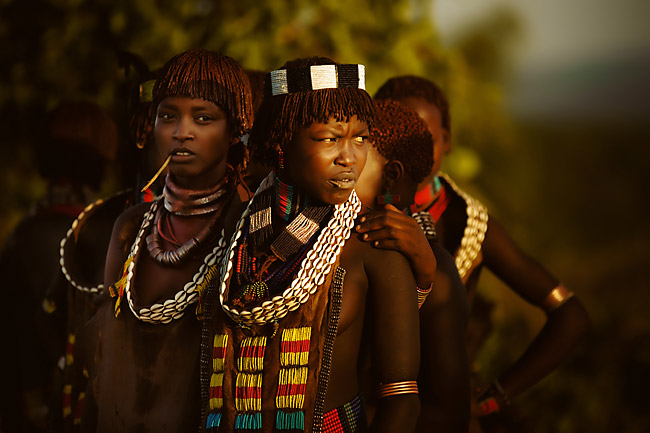
Hamar Tribe
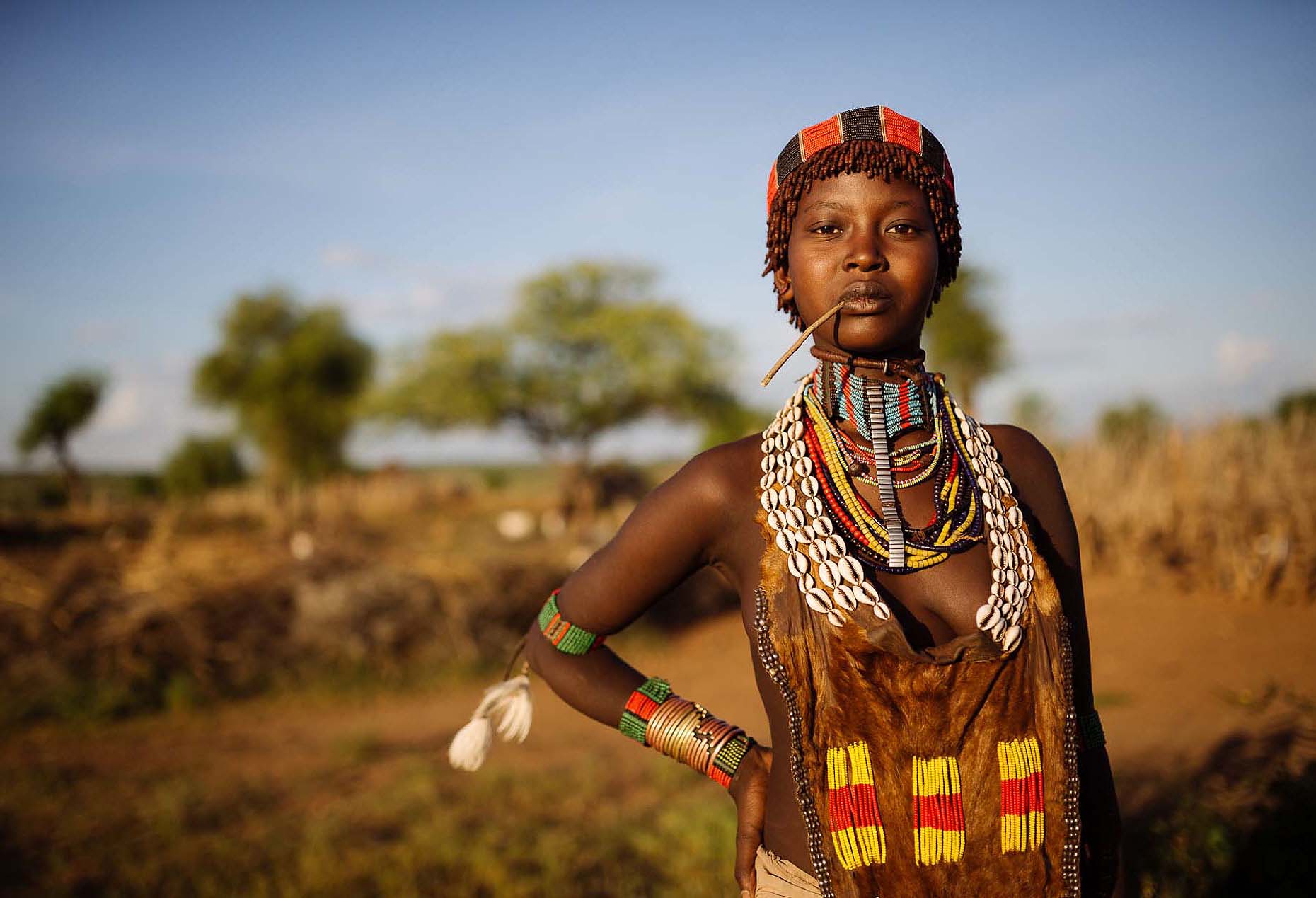
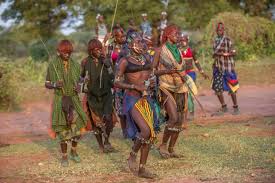
Known for their elaborate hairstyles, beadwork, and the unique bull jumping ceremony marking a boy's transition to manhood.
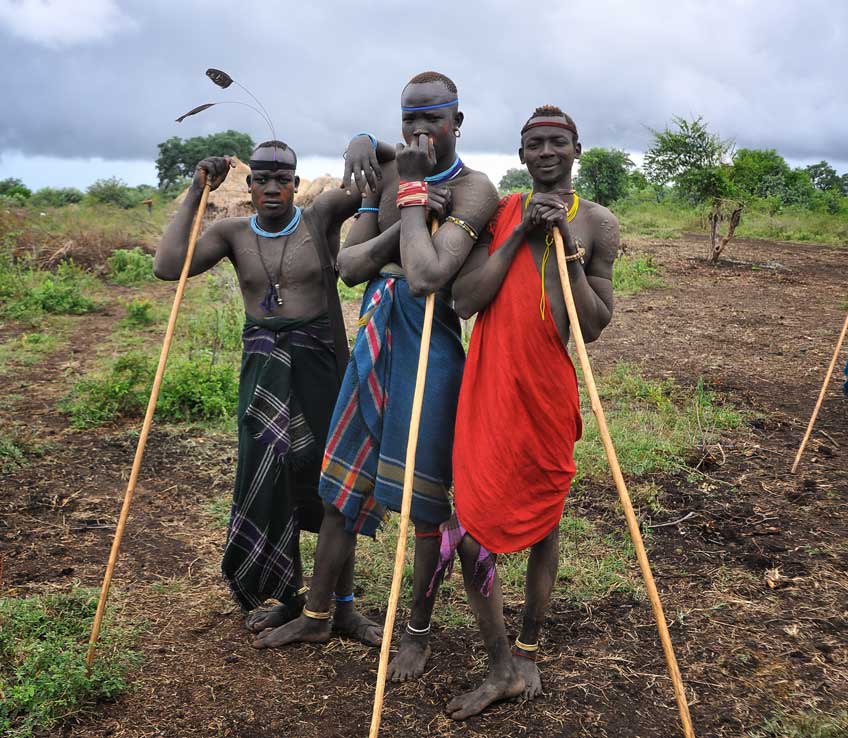
Mursi Tribe
Famous for the clay lip plates worn by women and intricate body painting using natural pigments.
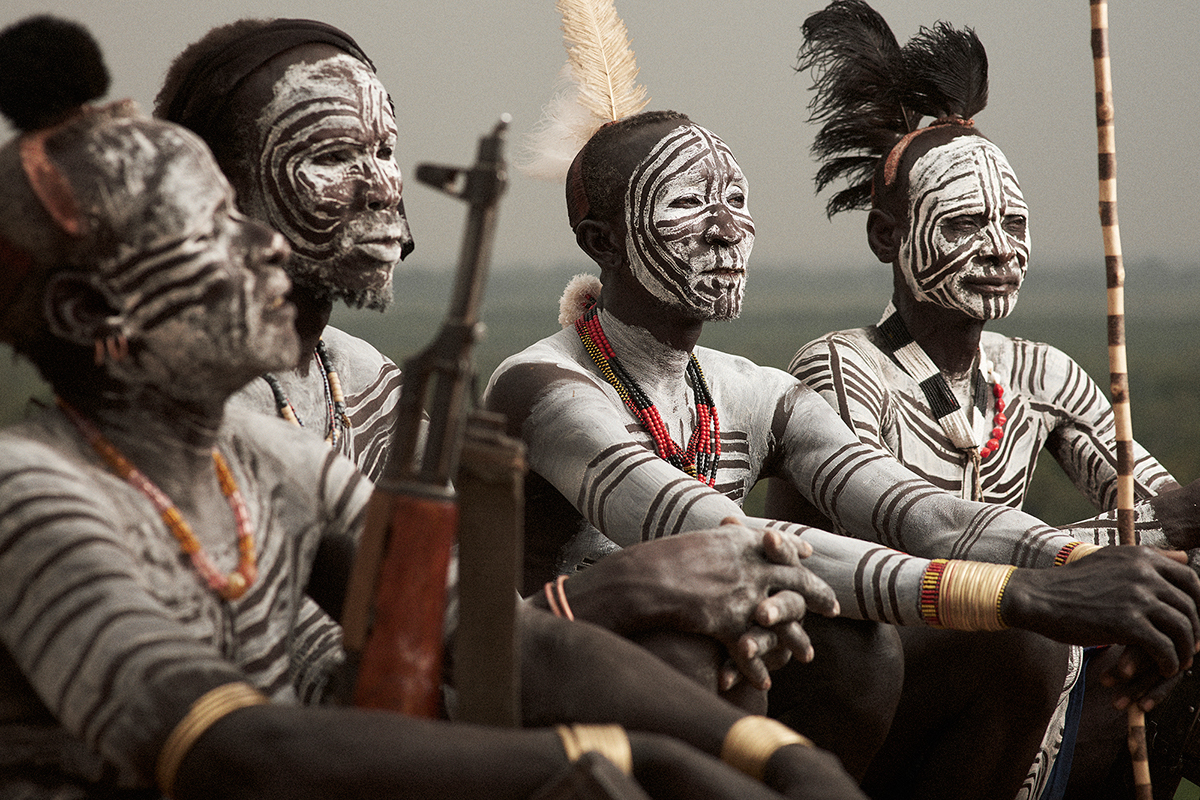
Karo Tribe
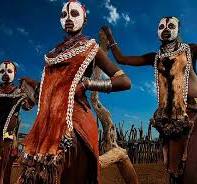
Masters of body painting, using chalk and other natural materials to create striking designs for ceremonies.
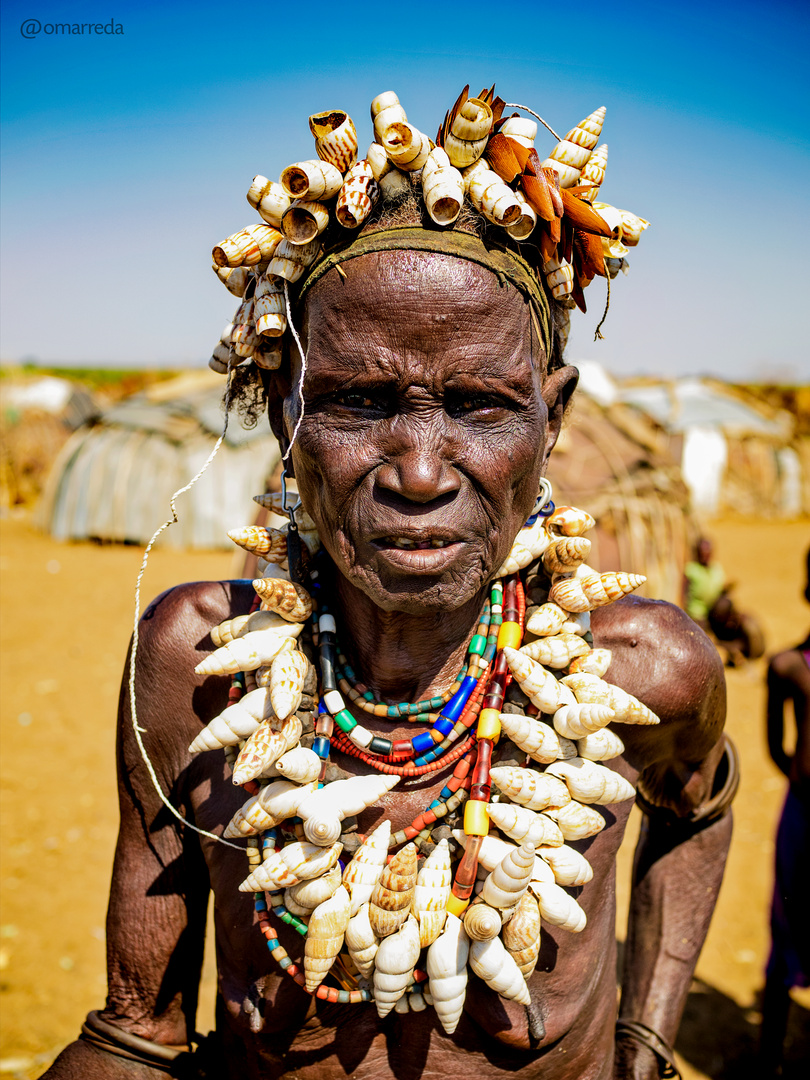
Dassanech Tribe
Pastoralists known for their intricate beadwork and the unique Donga stick fighting ceremony.
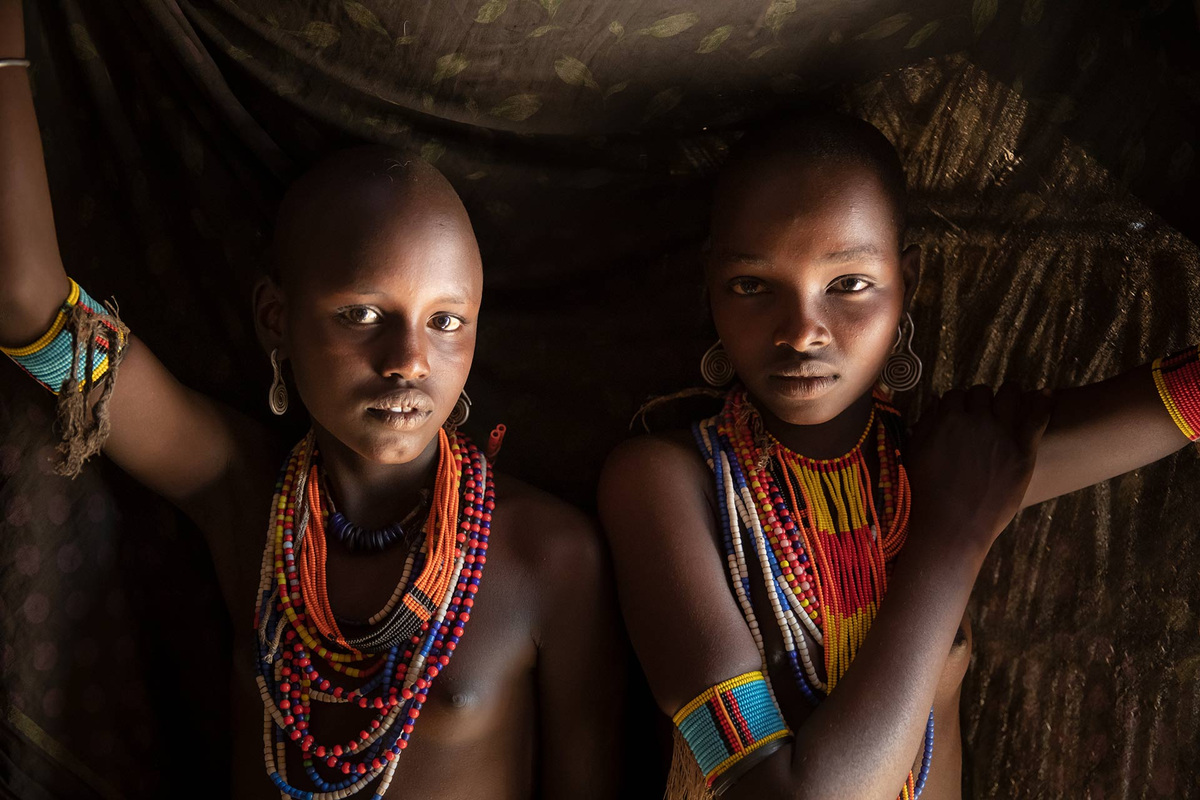
Arbore Tribe
Known for their colorful beaded necklaces and the unique tradition of singing to their cattle.
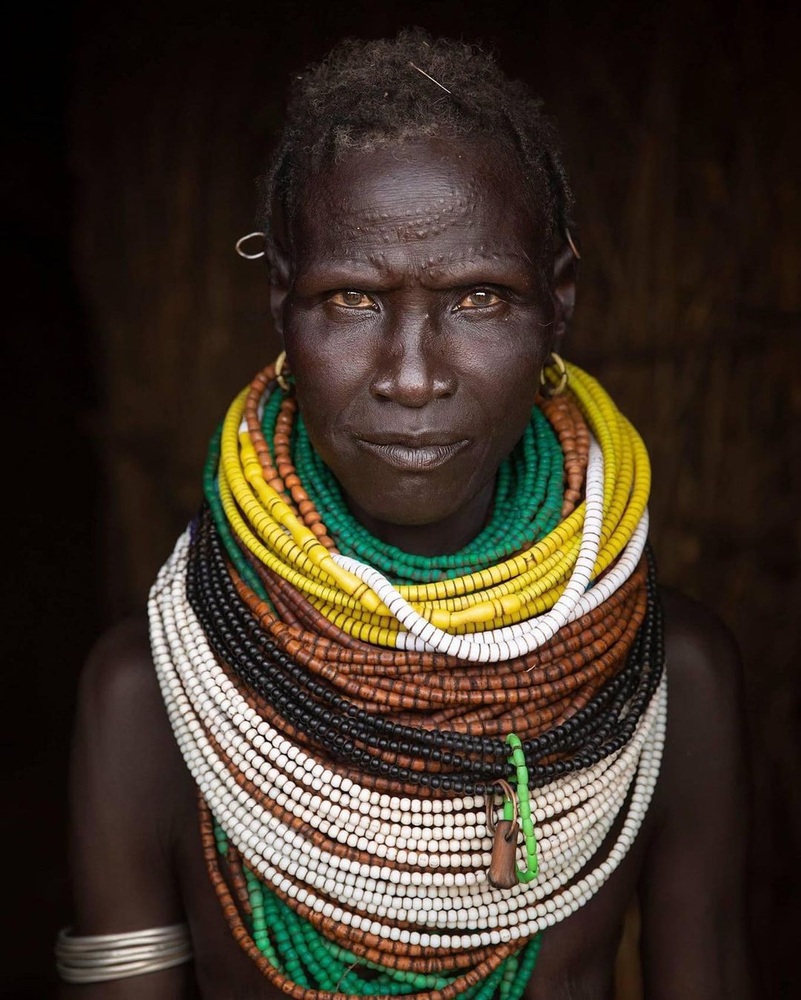
Nyangatom Tribe
Warrior tribe known for their distinctive scarification patterns and elaborate beadwork.
Detailed Itinerary
Day 1: Addis Ababa to Arba Minch
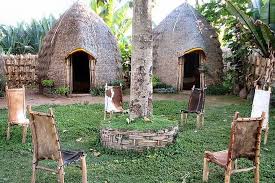
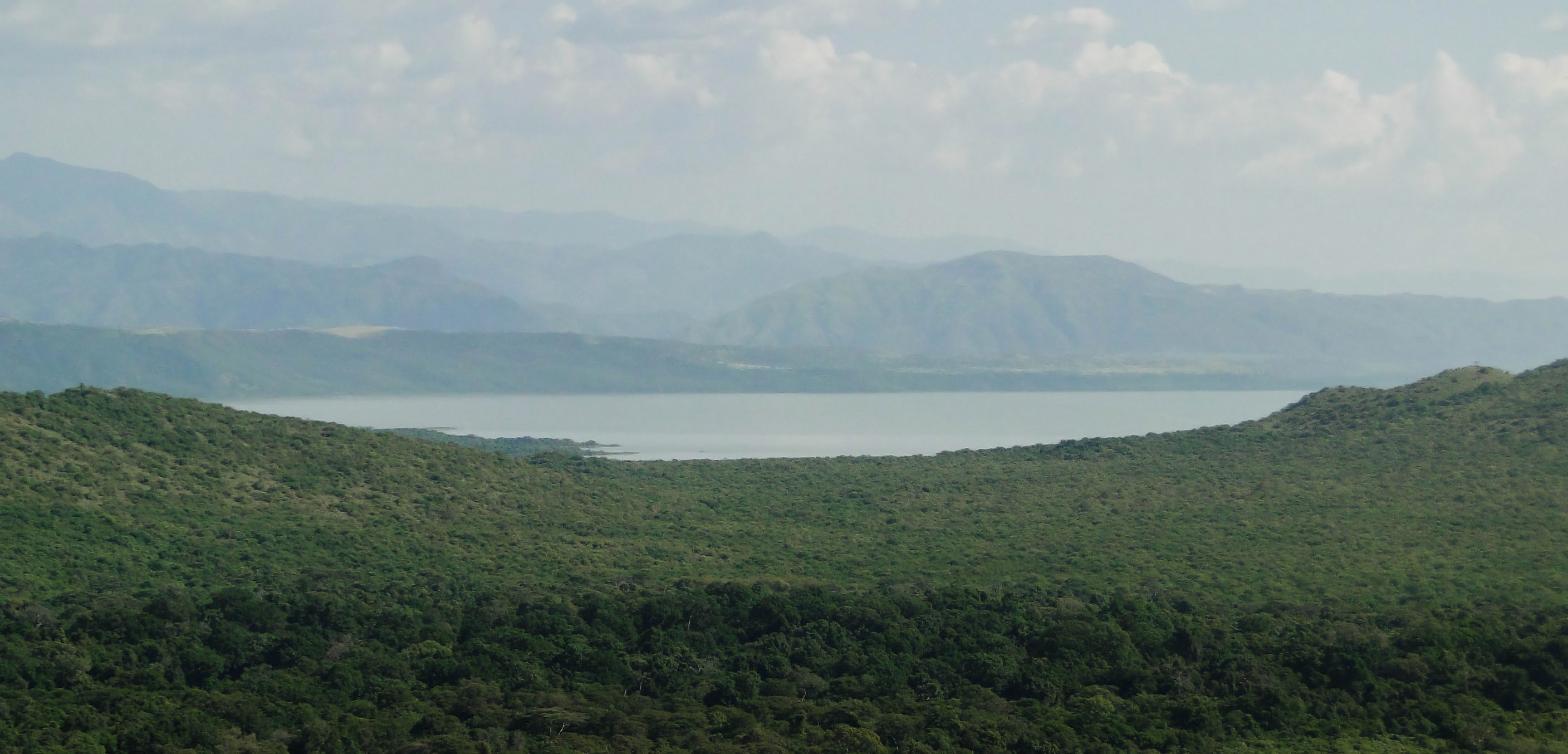
Morning flight from Addis Ababa to Arba Minch (1 hour). Visit the Dorze people, known for their tall beehive-shaped houses and intricate cotton weaving. Learn about their unique elephant-shaped bread and traditional enset (false banana) cultivation. Overnight in Arba Minch with views over Lake Chamo and Lake Abaya.

Day 2: Arba Minch to Jinka
Drive to Jinka (6-7 hours) through stunning landscapes. Stop at Weyto village to meet the Tsemay people. Visit the South Omo Research Center Museum in Jinka to learn about the region's tribes. Overnight in Jinka, preparing for next day's visit to Mursi villages.
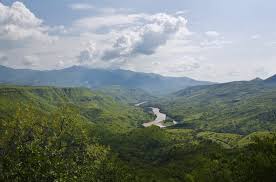
Day 3: Mago National Park & Mursi Villages
Early morning drive to Mago National Park (2 hours) to visit Mursi villages. Witness the famous lip plates and learn about their unique culture. Afternoon return to Jinka with stops at Ari villages known for their honey production. Overnight in Jinka.
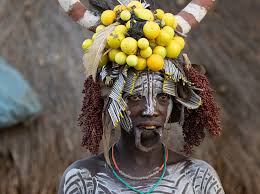
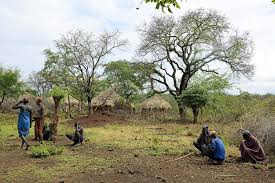
Day 4: Jinka to Turmi via Key Afer Market
Drive to Turmi (5-6 hours) with stop at Key Afer market (Thursday only) where Ari, Banna, and Tsemay people gather to trade. Continue to Turmi, home of the Hamar people. Evening visit to Hamar village to learn about their traditions. Overnight in Turmi.
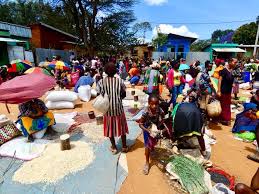
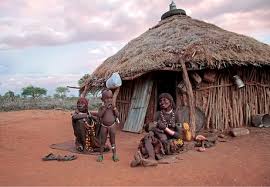
Day 5: Turmi to Omorate & Karo Villages
Morning drive to Omorate to visit Dassanech villages across the Omo River (by boat). Afternoon visit to Karo villages at Korcho, known for their elaborate body painting. Return to Turmi. If timing aligns, witness Hamar bull jumping ceremony (seasonal). Overnight in Turmi.
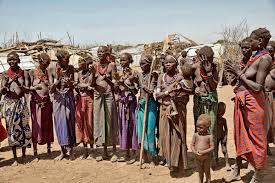
Day 6: Turmi to Konso
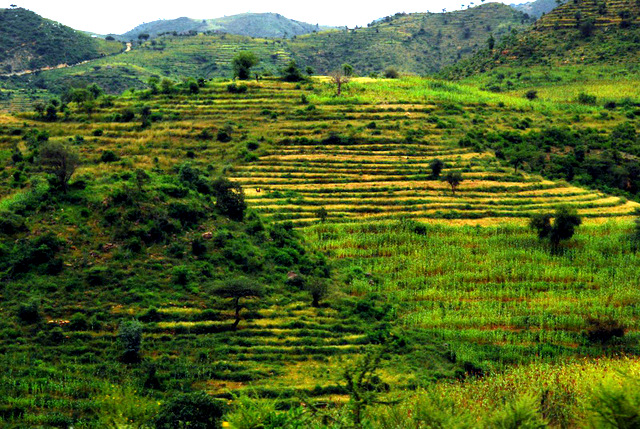
Drive to Konso (5-6 hours), stopping at Arbore and Banna villages en route. Visit Konso's UNESCO-listed terraced fields and villages with their unique waga memorial statues. Learn about Konso's complex social structure and impressive agricultural techniques. Overnight in Konso.
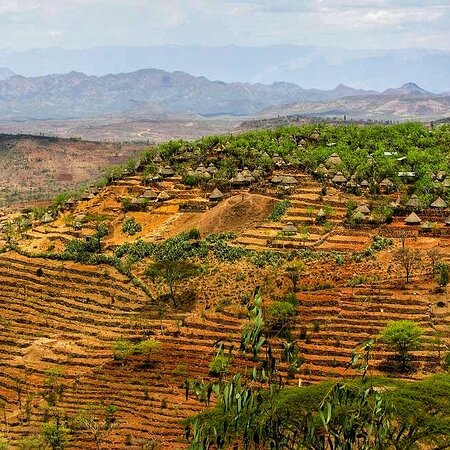
Day 7: Konso to Arba Minch & Fly to Addis
Morning drive to Arba Minch (3 hours). Optional boat trip on Lake Chamo to see crocodiles and hippos. Afternoon flight back to Addis Ababa. Farewell dinner at cultural restaurant with traditional music and dance. End of tour.
Cultural Highlights
Authentic Village Visits
Experience daily life in tribal villages with our trusted local connections
Traditional Ceremonies
Witness unique rituals like bull jumping, stick fighting, and dance ceremonies
Local Markets
Visit vibrant weekly markets where different tribes gather to trade
Food & Drink
Sample traditional foods and local honey wine (tej)
Community Projects
Visit our supported initiatives benefiting local communities
Photography Opportunities
Capture stunning portraits with proper cultural protocols
What's Included
- All transportation in 4x4 vehicles with AC
- Professional English-speaking cultural guide
- All meals (breakfast, lunch, dinner) during the expedition
- Accommodation in comfortable lodges/tented camps
- All entrance fees, permits, and village visit fees
- Domestic flight from Arba Minch to Addis Ababa
- Cultural sensitivity briefing
- Boat trip on Lake Chamo (Day 7)
What's Excluded
- International flights to/from Addis Ababa
- Visa fees (approx. $50 USD on arrival)
- Alcoholic drinks
- Travel insurance
- Tips for guides and staff
- Personal expenses and souvenirs
- Photography fees in villages ( Drone, Big camera, Gopro cameras paid directly to subjects)
Essential Packing List
Sun Protection
Wide-brimmed hat, sunglasses, high SPF sunscreen
Comfortable Footwear
Closed-toe shoes for village visits and light hiking
Modest Clothing
Lightweight, breathable clothing covering shoulders and knees
Camera Gear
DSLR/phone with extra batteries, small bills for photography fees
Basic First Aid
Bandages, antiseptic, blister treatment, personal medications
Reusable Water Bottle
At least 2L capacity (filtered water provided)
Notebook
For recording cultural insights and experiences
Small Gifts
Pens, notebooks, or useful items for village children (optional)
Cultural Sensitivity Guidelines
Visiting the Omo Valley tribes is a privilege that comes with responsibility. We work closely with communities to ensure our visits are respectful and beneficial. Please follow these guidelines:
- Always ask permission before taking photographs (small fees may apply)
- Dress modestly (shoulders and knees covered in villages)
- Respect local customs and traditions (your guide will advise)
- Don't give money or sweets directly to children
- Support local artisans by purchasing crafts directly
- Be mindful of personal space and gestures
- Listen to your guide's instructions at all times
Our company contributes a portion of each tour's proceeds to community projects in the Omo Valley, including education and healthcare initiatives. Your visit helps support these programs.
Ready for a Transformative Cultural Experience?
Book your Omo Valley Cultural Expedition today and connect with ancient traditions!
Private group options available - Maximum 12 people per tour
Traveler Testimonials
"This was the most profound travel experience of my life. Meeting the Hamar and Mursi people felt like stepping back in time. Our guide's deep relationships with the communities allowed for genuine interactions beyond typical tourist visits. The bull jumping ceremony we witnessed was absolutely unforgettable - a privilege to observe this ancient rite of passage."
Jessica L.
From USA
"The Omo Valley expedition exceeded all expectations. The organization was flawless - from comfortable accommodations in remote areas to our guide's incredible knowledge of each tribe's customs. What impressed me most was how the company ensures benefits flow back to the communities. The Karo village visit was particularly special, where we were welcomed like old friends rather than tourists."
Markus R.
From Germany